
 Authentication
Managing Hypertension
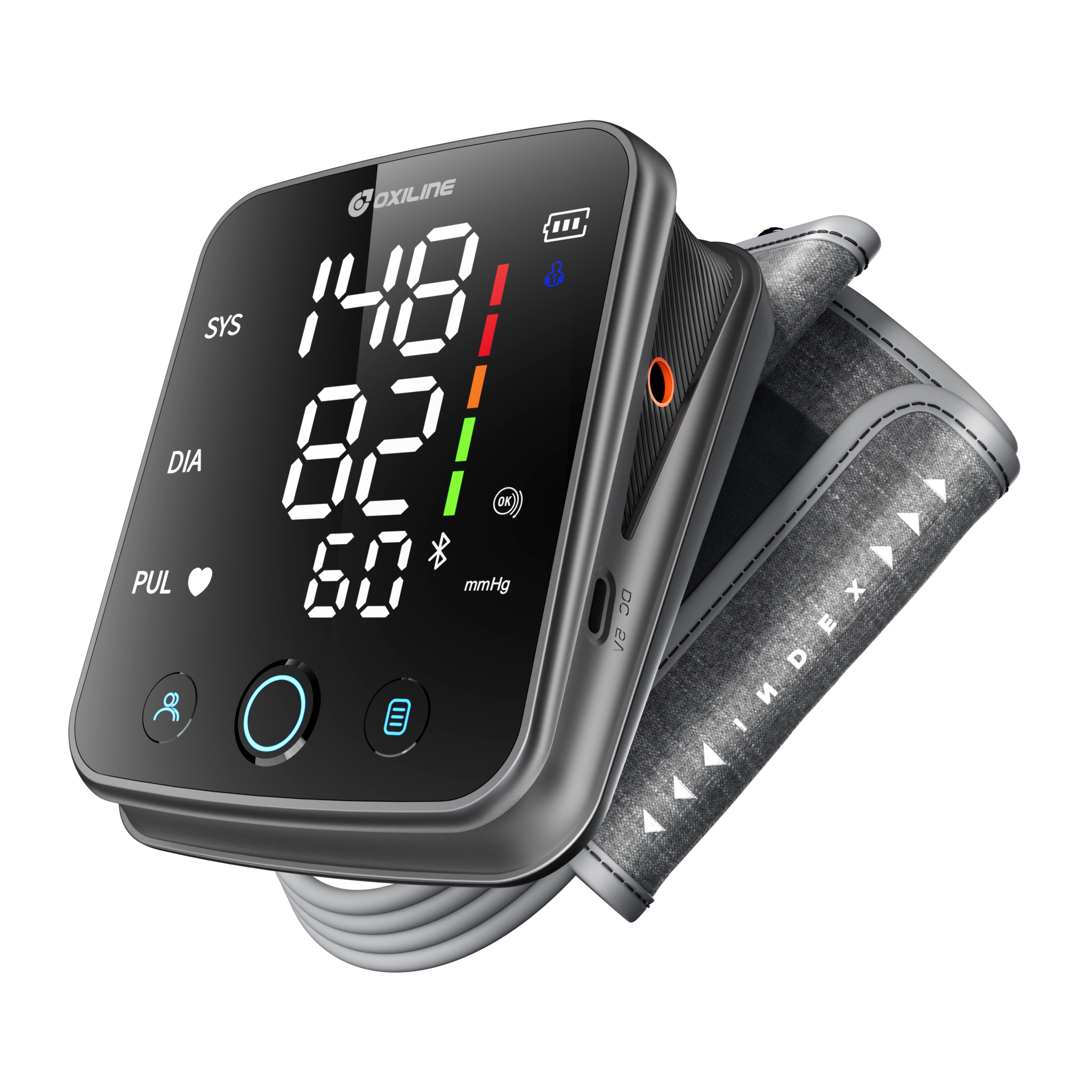
Explore Oxiline tools designed to support consistent blood pressure monitoring at home. Track your readings over time, stay informed, and build healthier daily habits with clarity and peace of mind.
 Free Shipping
 Lifetime Warranty
 30 Day Money Back
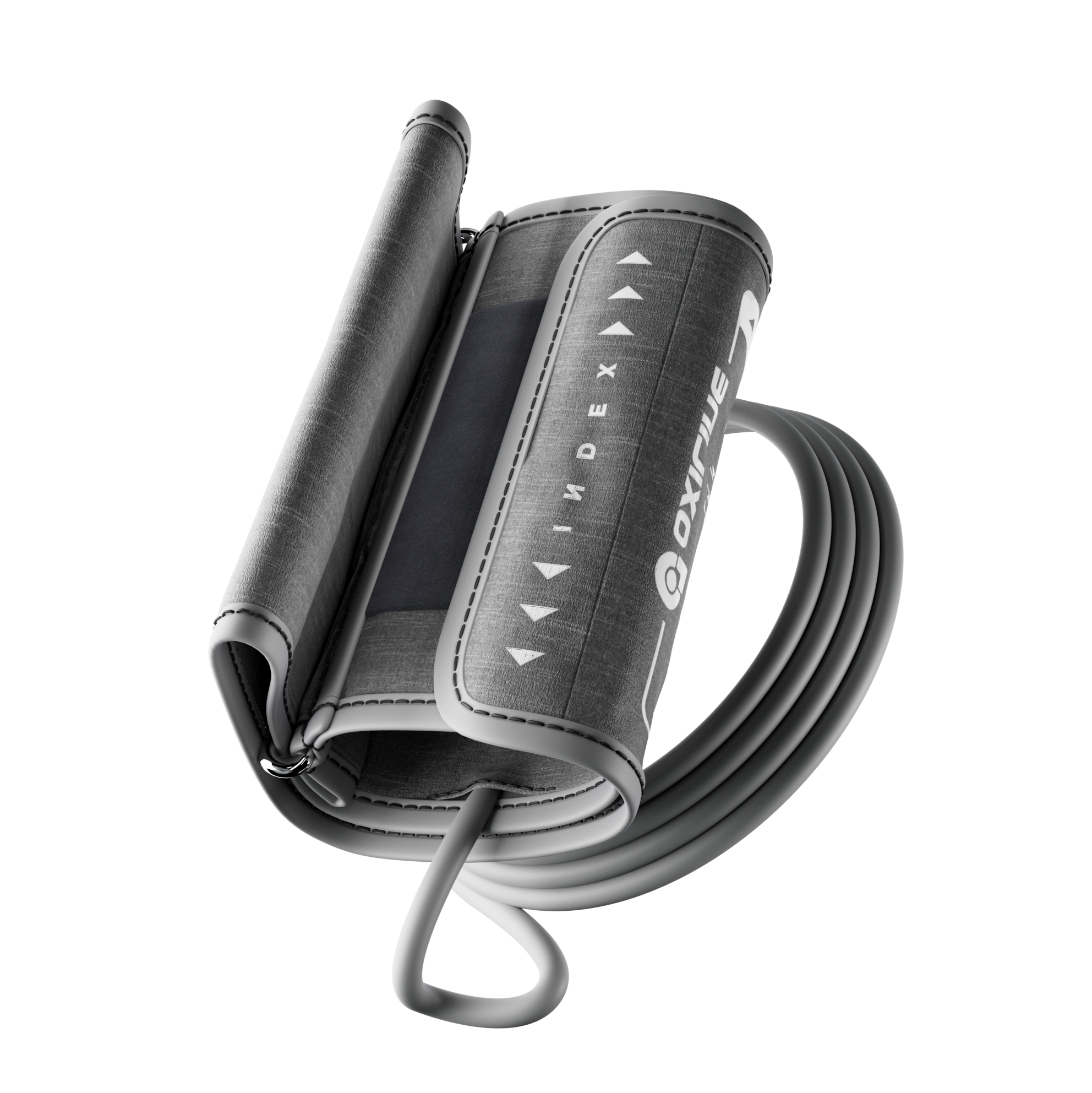
XL Cuff (8.6-18.9in / 22-48cm)

755 Reviews
An extra-large replacement cuff that ensures a comfortable, accurate fit on larger arms.
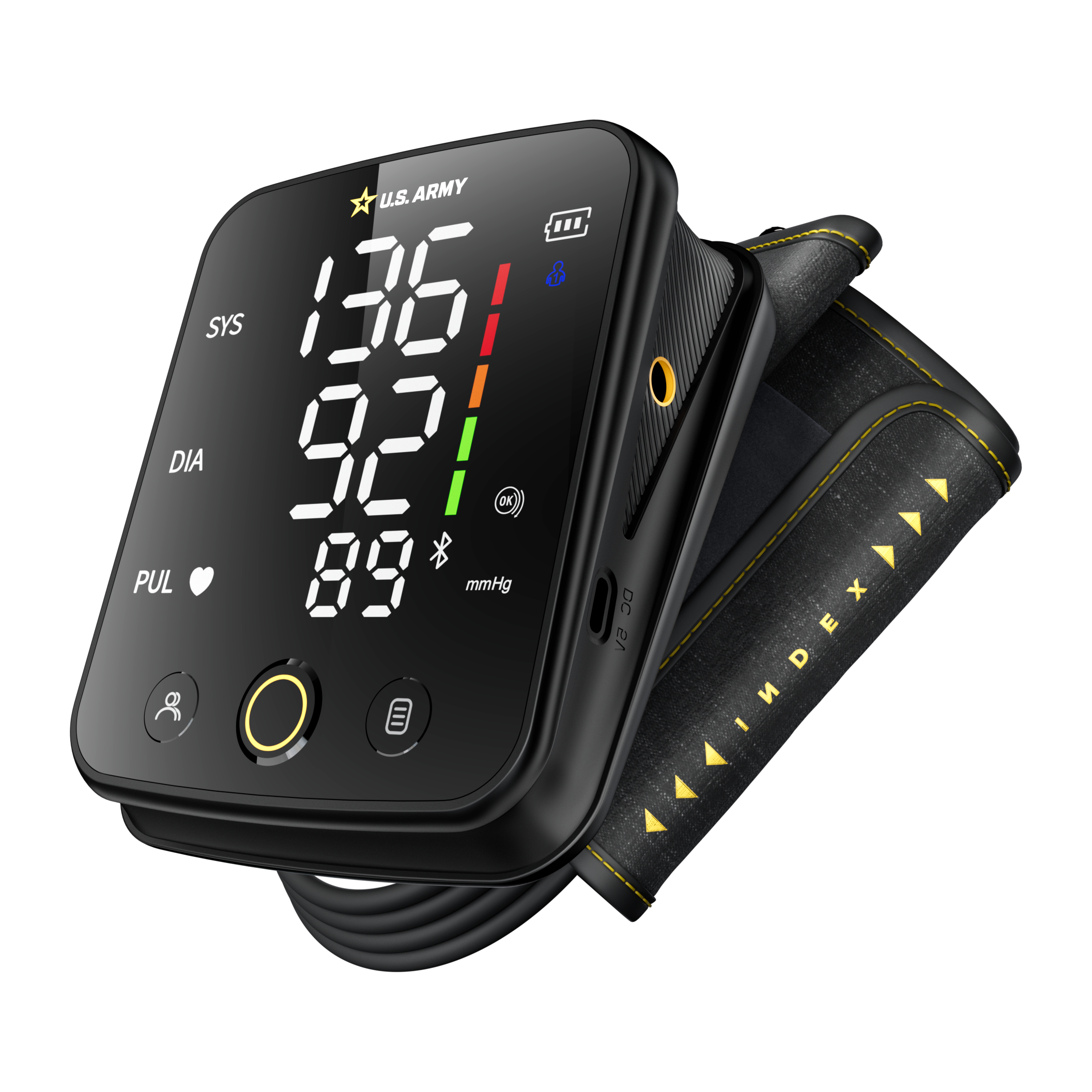
Pressure XS Pro (US Army)
155 Reviews
The same Bluetooth precision in a rugged matte black finish that proudly supports U.S. troops.
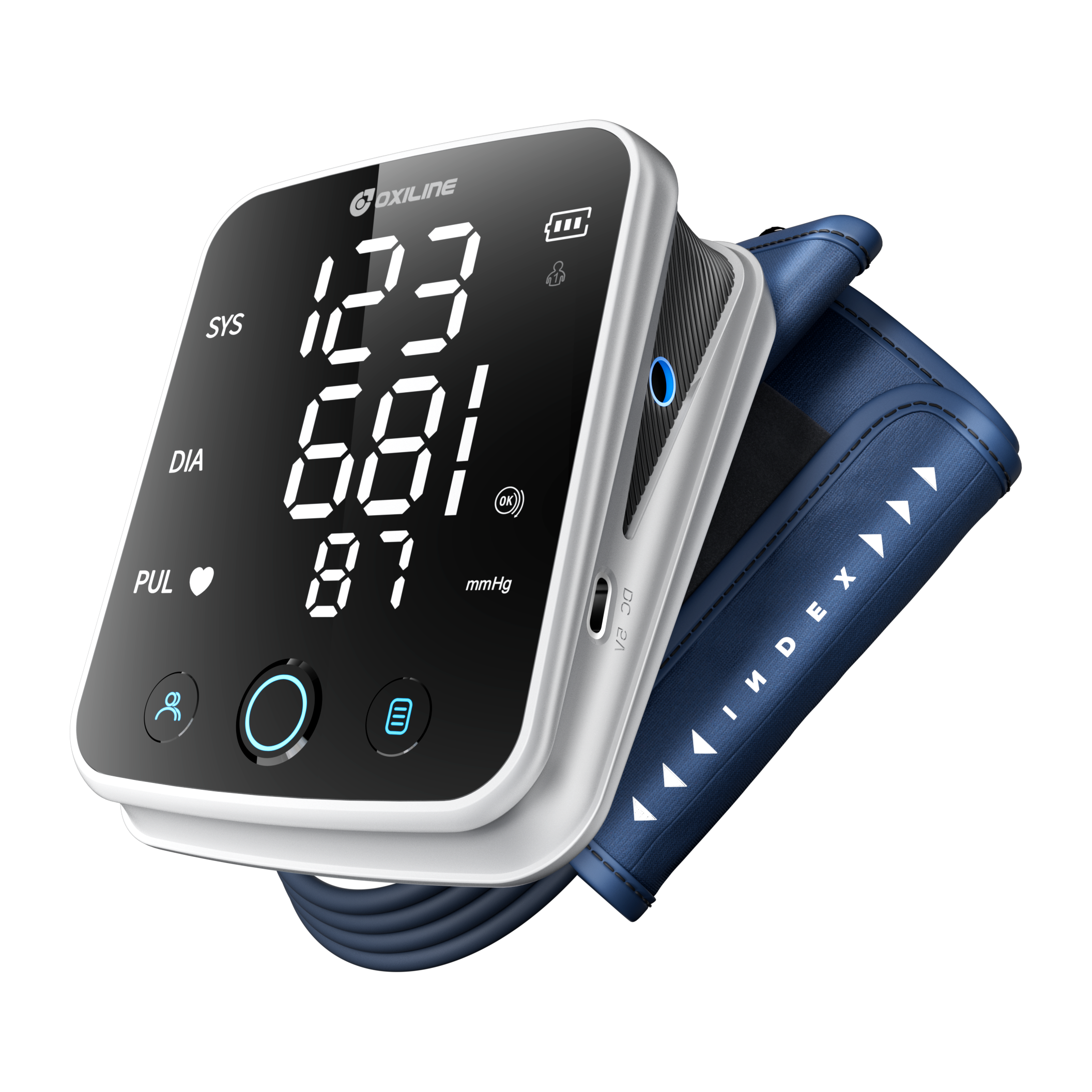
High blood pressure often has no symptoms, so consistent tracking matters.
Why Managing Hypertension Matters?
Hypertension can develop quietly, which is why regular monitoring is one of the most important steps in staying informed about your health. When you track your blood pressure consistently, you can spot patterns over time, understand how lifestyle choices may affect your readings, and share clearer information with your doctor when needed. The goal isn’t to chase a perfect number, but to stay consistent, stay aware, and stay in control of your routine.
Stay Aware Over Time
Consistent monitoring helps you spot patterns in your readings and notice changes early, even when you feel fine.
Support Better Doctor Conversations
Keeping a clear history of readings gives your doctor more useful context than occasional measurements and helps guide next steps.
Build Healthier Daily Habits
Tracking your blood pressure regularly can reinforce routines like improving diet, movement, sleep, and stress management through real feedback.
FAQs
Hypertension is another term for high blood pressure. It means the force of blood against your artery walls is consistently higher than recommended over time.
High blood pressure often has no obvious symptoms, which is why many people don’t realize their readings are elevated until they measure regularly.
Many people benefit from checking it a few times per week, especially when building a routine. If your doctor has given you a plan, it’s best to follow their guidance for how often to measure.
For consistency, measure around the same time each day. Many people check in the morning before caffeine or food, and again later in the day. Tracking at consistent times makes trends easier to interpret.
Readings can change based on stress, sleep, hydration, caffeine, exercise, meals, and even posture. That’s why consistent measurement and tracking trends matter more than a single reading.
To get consistent results:
-
Sit still for 5 minutes before measuring
-
Keep your feet flat and back supported
-
Rest your arm at heart level
-
Avoid caffeine, exercise, and smoking beforehand
-
Take 2–3 readings and record the average
If your readings are consistently higher than your usual range or you’re unsure what your numbers mean, it’s best to speak with a healthcare professional. Sharing a clear history of readings can help them guide you.