
 Authentication
Monitor Diabetes
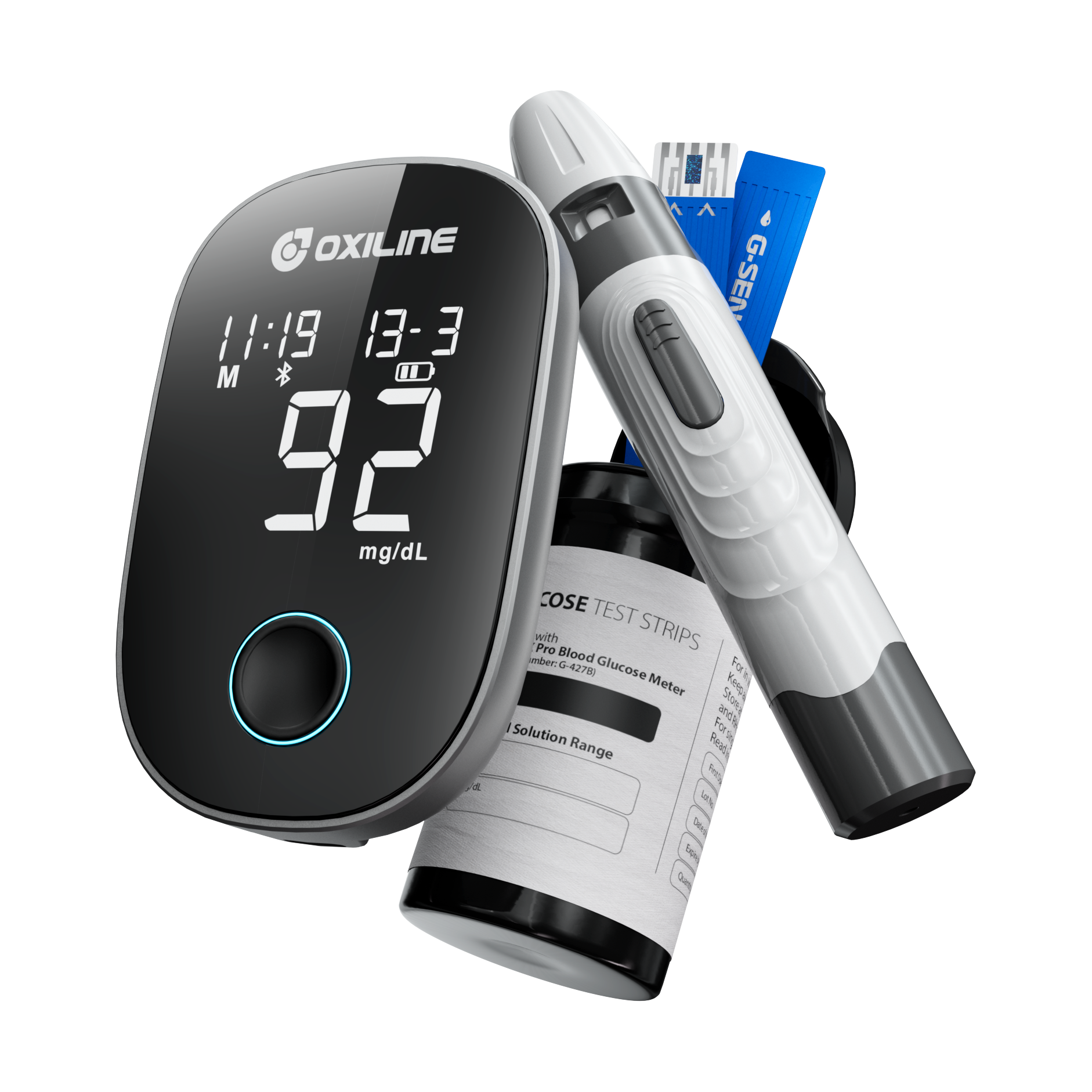
Explore Oxiline tools designed to support consistent tracking at home. Monitor trends over time, stay informed, and build a routine that helps you make smarter day-to-day decisions with confidence.
 Free Shipping
 Lifetime Warranty
 30 Day Money Back
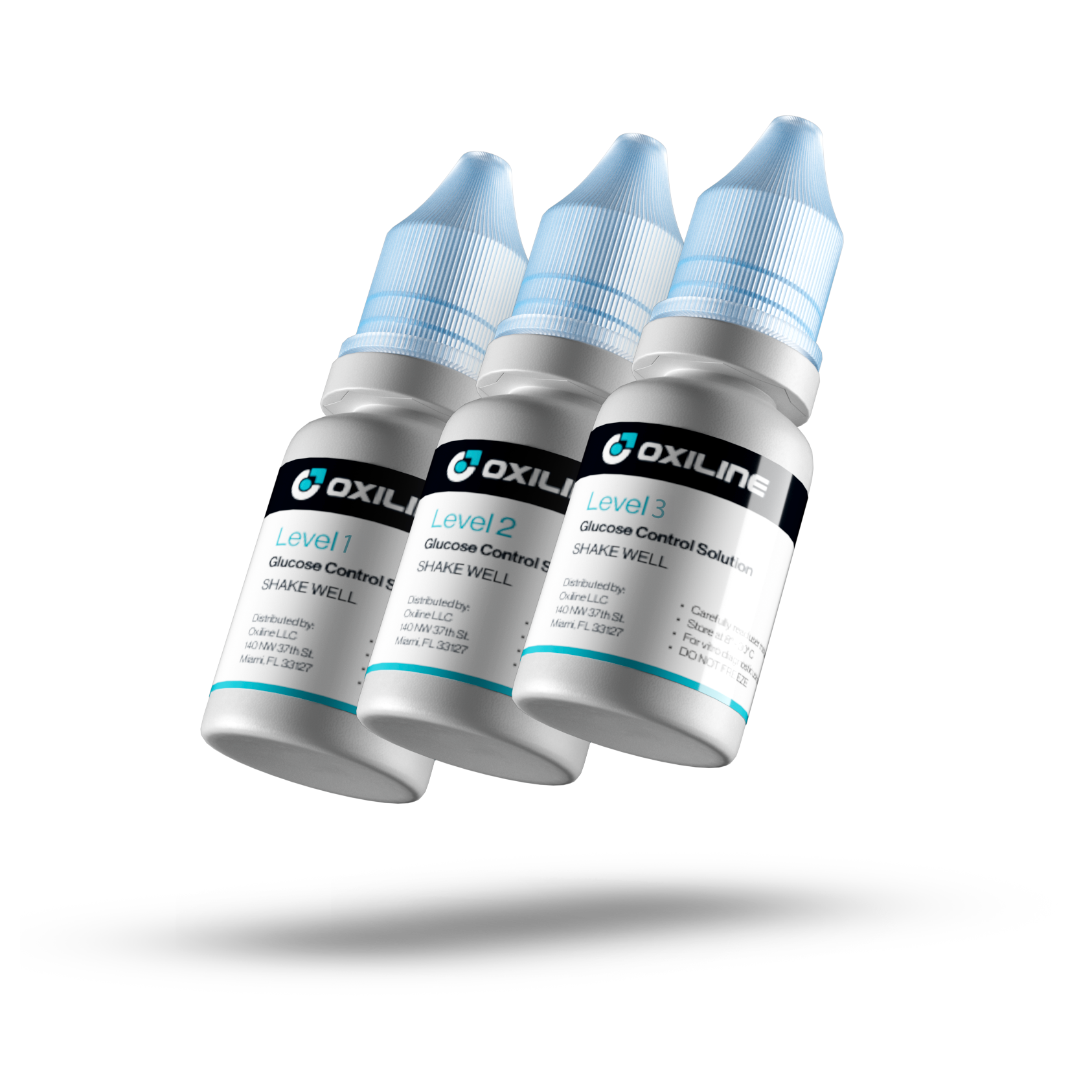

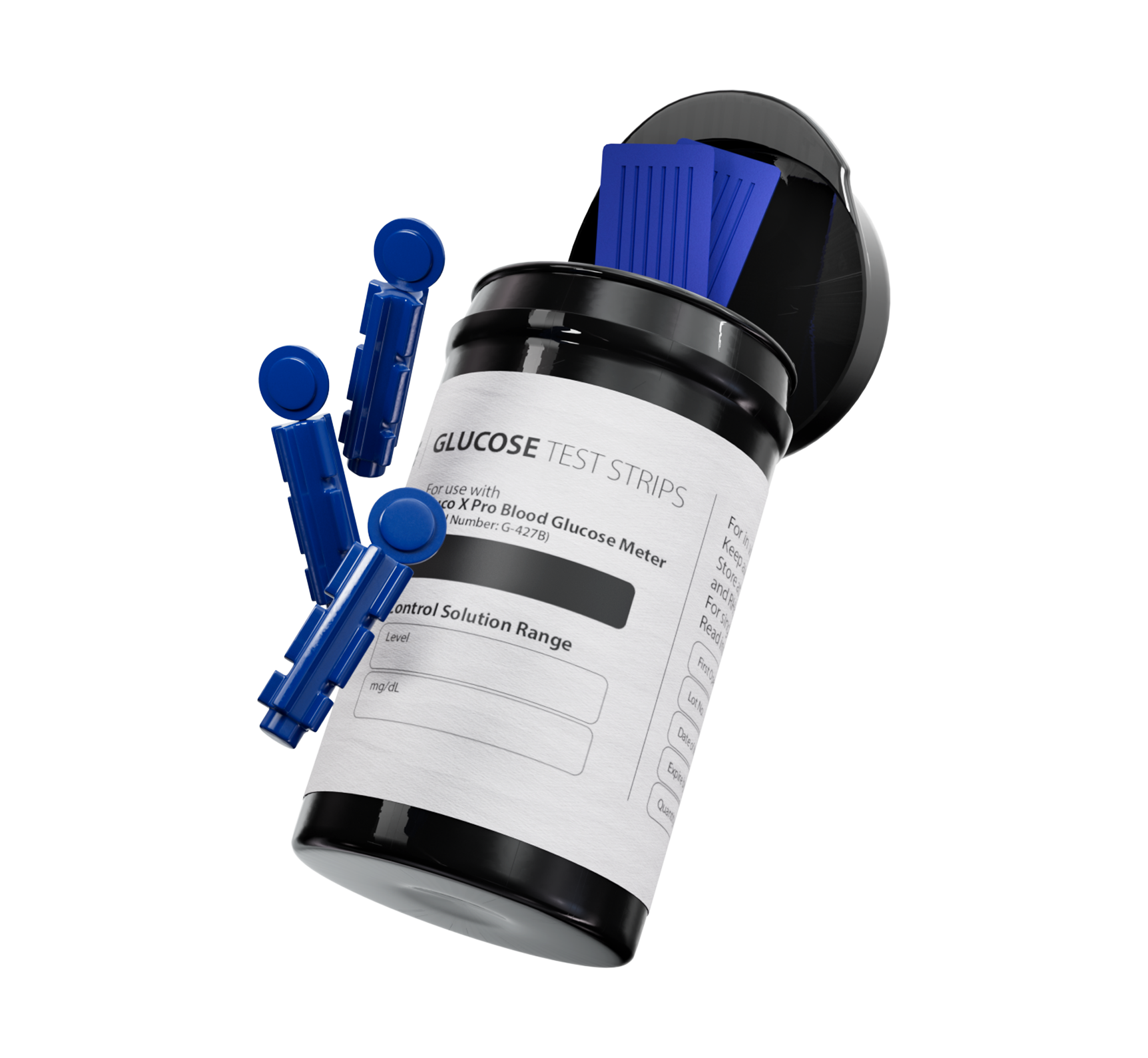
Consistent tracking helps you understand trends and stay in control of your routine
Why Diabetes Monitoring Matters
Diabetes monitoring is one of the most important tools for staying aware of how your body responds to food, activity, stress, and daily habits. When you track consistently, you can identify patterns over time, make more informed choices, and share clearer data with your healthcare provider. Instead of guessing, you gain a better understanding of your day-to-day trends so you can manage your routine with more confidence.
Understand Your Trends
Tracking regularly helps you spot patterns over time, not just single readings, so you can better understand what affects your blood sugar.
Support Smarter Daily Choices
Consistent monitoring can help guide everyday decisions around meals, activity, and routine by giving you clearer feedback.
Share Better Info With Your Doctor
Keeping a reliable record of readings helps your healthcare provider see a fuller picture and make more informed recommendations.
FAQs
Regular monitoring helps you understand your blood sugar patterns and how they change throughout the day. It can support better awareness and better routine decisions over time.
It depends on your treatment plan and your doctor’s guidance. Many people check more frequently when building a routine or adjusting habits. Consistency is often more helpful than occasional readings.
Common times include before meals, after meals, and at bedtime. The best approach is to follow your care plan and track at consistent times so you can compare patterns more reliably.
Blood sugar can change based on meals, activity, sleep, stress, hydration, and medications. Tracking helps you see how these factors affect your readings over time.
Fasting blood sugar is a reading taken after not eating for several hours, often first thing in the morning. It can be helpful for establishing a baseline, especially when tracked consistently.
For better consistency:
-
Wash and dry your hands before testing
-
Use a fresh test strip each time
-
Avoid squeezing your finger too hard
-
Record the time and context (meals, exercise, etc.)
-
Test at consistent times day to day
If a reading feels unexpected, retest and consider recent factors like food, activity, stress, or hydration. If you’re unsure or concerned, it’s best to contact a healthcare professional.
Yes. Single readings can be affected by many factors. Trends over time usually provide a clearer picture of what’s happening and how your routine is working.
Many people track:
-
Meals and carbs
-
Exercise
-
Sleep
-
Stress
-
Medication timing
This added context can make patterns easier to understand.